
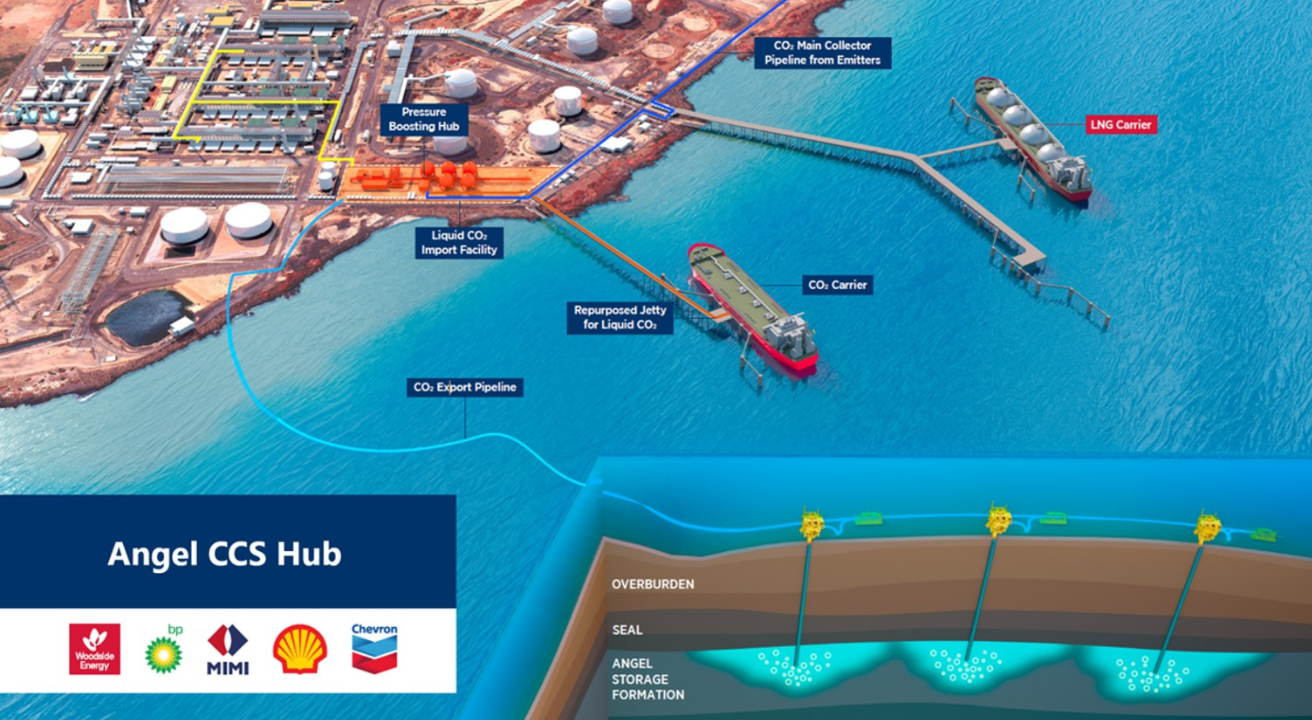
Woodside Energy Group, in partnership with BP, Mitsubishi-Mitsui, Shell and Chevron, is assessing a Carbon Capture and Storage development offshore Western Australia. The project concept involves collecting CO₂ from industrial emitters at an onshore hub near Karratha and transporting it via a subsea pipeline to the depleted Angel gas reservoir in the northern Carnarvon Basin for permanent geological storage.
SEA Global delivered Concept Definition engineering for the Angel CCS Export Pipeline, optimising the CO₂ transport and Subsea Power and Fibre Optic (SPFO) cable system design, assessing multiple pipeline configurations, and developing the technical basis for FEED, cost estimating, scheduling and project assurance.
Subsea Pipeline Options
136 km Carbon Steel 20-24 inch
Subsea XTs
Up to 6 all-electric
Subsea Structures
Inline tees and end manifold
Shore Crossing
Open-cut and HDD options assessed
Pre-commissioning
Conventional and dry pre-commissioning assessed
Scope of Work
Concept Definition
Developed and optimised the export pipeline concept to support Basis of Design development, cost estimating, schedule planning and FEED readiness.
Pipeline System Design
Assessed multiple pipeline configurations, evaluating 20-inch and 24-inch diameters across 5 MTPA and 10 MTPA CO₂ transport scenarios. Daisy-chained (in-line tees) and central manifold development concepts were assessed.
Subsea Infrastructure Integration
Defined integrated pipeline and SPFO cable solutions, including offshore routing, landfall considerations and interface management with existing facilities. Developed pre-commissioning strategy aligned with onshore and well commissioning.
CO2 Specification
Developed CO2 specification and associated limits to be used during engagement with potential emitters, and for use in technology qualification.
Novel Materials Assessments
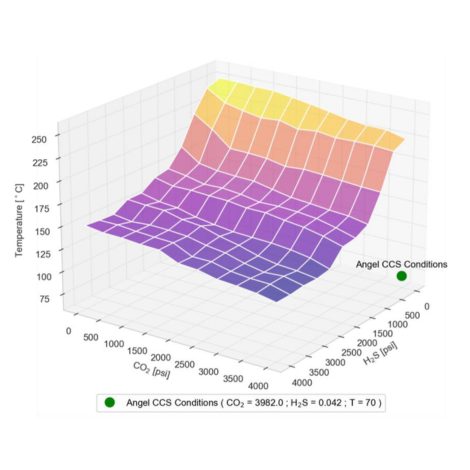
Automated the assessment of risks from contaminants within the CO2 stream to recommend suitable materials and supplementary qualification requirements. Market engagement with pipe and coating vendors.
Value and Risk Optimisation
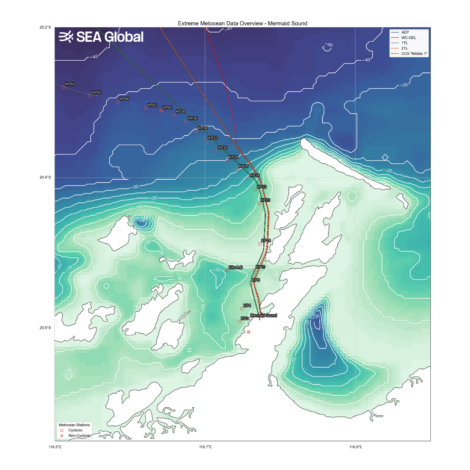
Evaluated alternative technical solutions to improve project value, balancing cost, operability, reliability and delivery risks. Automated QRA to interrogate third party risks using detailed shipping (AIS) data.
Scalable CCS Development Planning
Designed a flexible transport system capable of supporting future capacity expansion and the connection of additional industrial CO₂ emitters.
Environmental and Footprint Reduction
Incorporated route selection and infrastructure planning strategies to minimise environmental impacts, land disturbance and the project’s overall emissions footprint.
More Case Studies

Join the unparalleled.
If you’re ready to create a more efficient, sustainable and intelligent world…
Contact SEA Global